
Guide
How much value do Jersey Matches add to sports cards?
Two LeBron sales, four card photos, and an honest look at the premium that jersey-matched serial numbers actually carry.
Published June 14, 2026
Two LeBron James cards. Same set, same parallel, same year, both numbered out of 85. The only difference is the numerator stamped in the corner. One sold for $27.88. The other sold for $105.71. Almost four times the price for what looks, to a casual eye, like the same card.
That gap is the jersey-match premium, one of the most predictable price patterns in modern sports card collecting. It only shows up if you can search for cards by their exact serial number, which is something most marketplaces can't do natively. Here's what a jersey match is, why it commands a premium, and what multiplier you can realistically expect.
What is a jersey match?
A jersey match (also called a jersey number match, number match, or matching jersey number card) is a serial-numbered card where the numerator matches the player's jersey number. LeBron wears 23, so a copy numbered 23/X (out of any print run) is jersey-matched to him. Tom Brady wore 12, so 12/X is the Brady match. Patrick Mahomes wears 15, so 15/X is his.
Every numbered set produces exactly one jersey-match copy per parallel. A card numbered to 99 has one copy stamped 1/99, one stamped 2/99, all the way up to 99/99. Only the copy stamped at the player's jersey number is the match. The lower the print run, the rarer the match becomes. There's still only one of them per parallel, but a /25 print run means only 25 total exist, and you're chasing the single 23/25 copy if you want LeBron's number.
Jersey-match collecting is a defined sub-niche of the hobby. There's a known buyer pool that exists specifically to chase these. When a 23/X LeBron hits eBay, the people who care notice immediately.
The data: two LeBron sales
I noticed this pattern while watching active listings flow through SerialScout. The same card would appear in the feed twice within a few weeks: one copy jersey-matched, one not, with a very different selling price. Two recent LeBron pairs make the case cleanly.
2024-25 Donruss International Blue Fireworks /85
Same set, same parallel, same player, same year. Only the numerator differs.
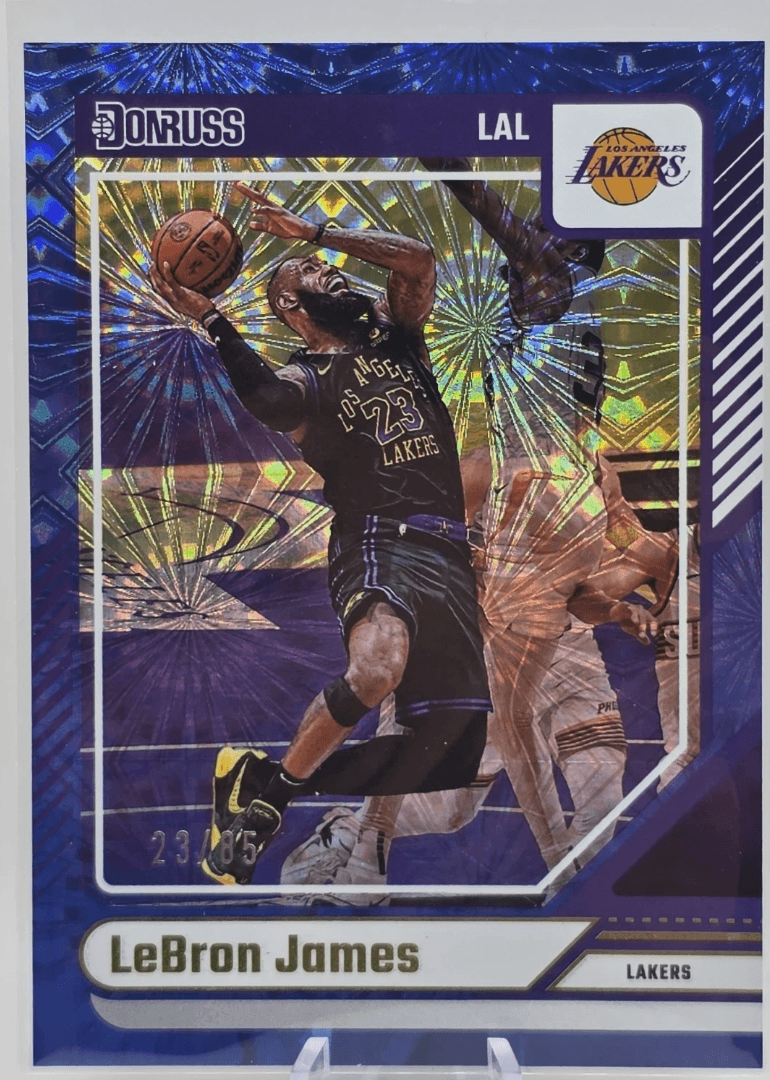
23/85, sold for $105.71
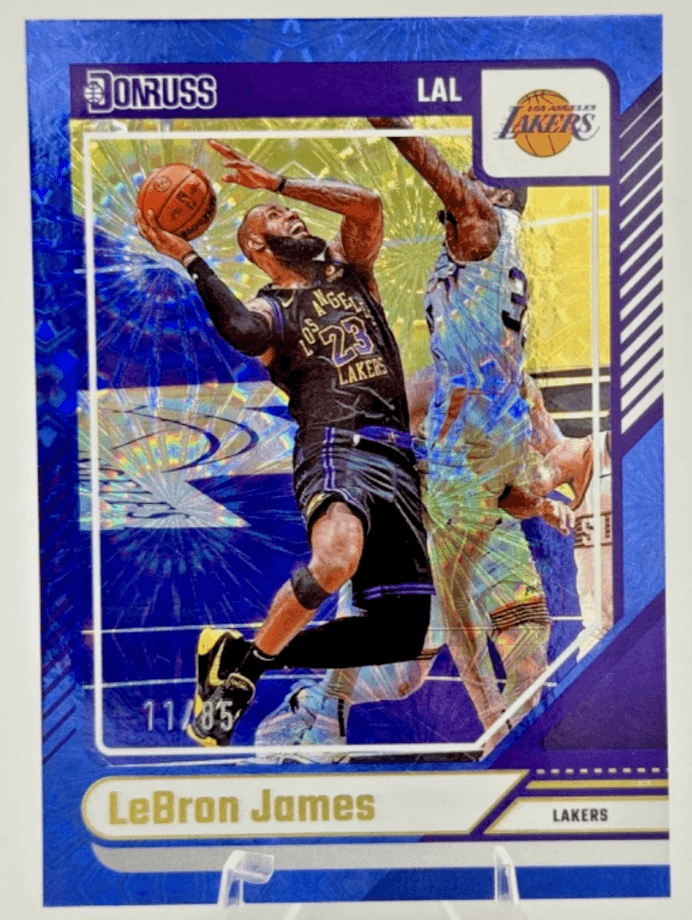
Non-match (11/85), sold for $27.88
The jersey-matched 23/85 copy sold on June 14, 2026 for $105.71. A non-matched copy of the same parallel (11/85) sold on April 13, 2026 for $27.88. The premium: 3.79x. Nearly four times the price for what is, by every other measure, an identical card.
2024-25 Panini Donruss Pass The Rock /75
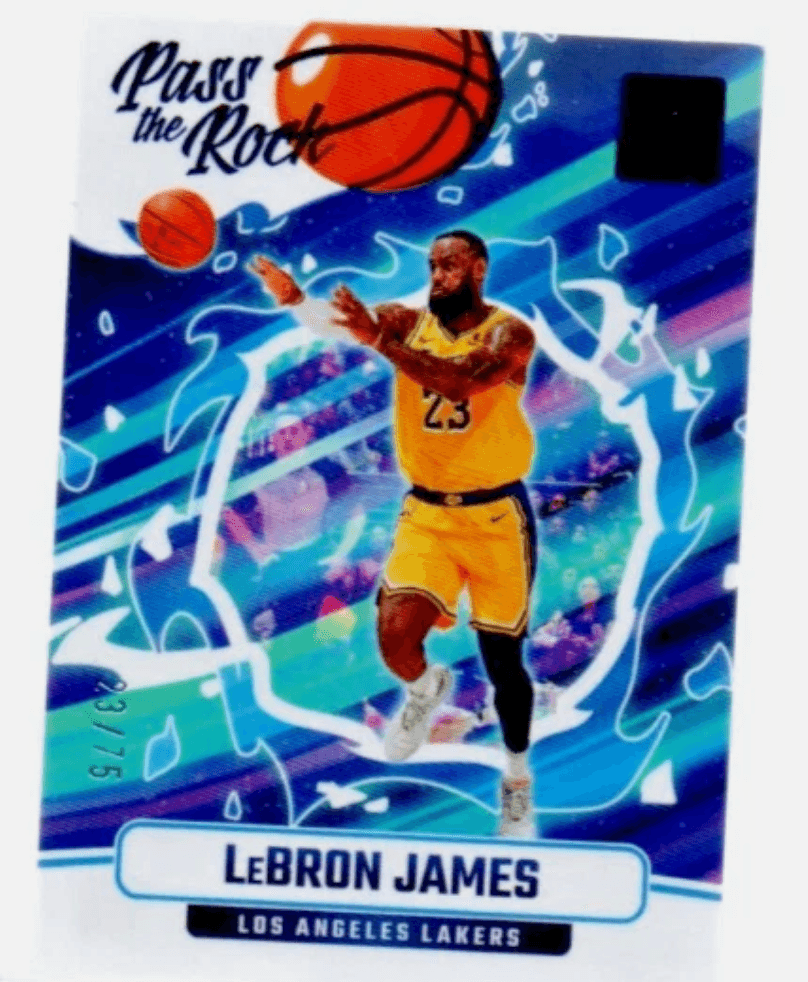
23/75, sold for $66.51
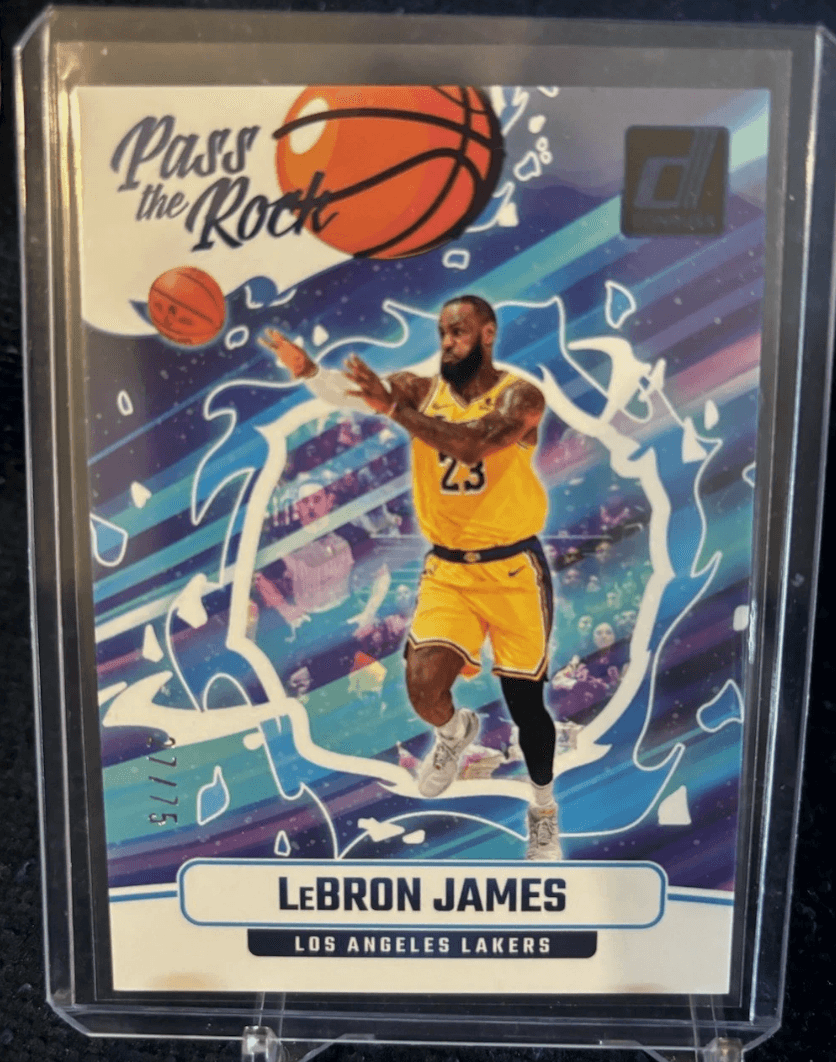
Non-match (27/75), sold for $32.00
The 23/75 (jersey-matched) copy sold on June 6, 2026 for $66.51 with 9 bids. The 27/75 copy sold on May 4, 2026 for $32.00 with 6 bids. Premium: 2.08x.
Worth noting the bidding behavior: both cards had real competition, but the jersey match drew 9 bids vs 6. That extra bidder pressure on jersey matches is part of why the premium keeps showing up.
Why jersey matches command a premium
Three reasons, in roughly the order they matter.
Scarcity. A /85 parallel might have 85 copies total, but only one carries the numerator 23. If you're a collector building a LeBron jersey-match collection, that single card is your only target out of the 85.
Defined buyer intent. Jersey-match collecting is a sub-niche with its own community. There's a known buyer pool that exists specifically to chase these cards. When a 23/X LeBron lists, those buyers notice and want it. When an 11/X LeBron lists, those same buyers don't.
Trophy psychology. Jersey matches are PC (personal collection) anchors. They're the card a collector remembers buying, photographs for show-and-tell posts, and considers a centerpiece. That emotional weight translates into stretched bids in a way that off-number copies don't see.
What multiplier should you expect?
Based on these two pairs, the premium ran from 2x to 4x. Two data points isn't enough for universal claims, but a few patterns tend to hold across the broader market:
- Lower print runs push the premium higher. A /25 jersey match is rarer than a /150 jersey match, so the supply-demand math gets steeper as the denominator drops.
- Bigger names command bigger premiums. LeBron, Mahomes, Brady, Jordan, all see strong jersey-match premiums. Mid-tier players still see premiums, just smaller in absolute dollars.
- Active stars beat retired ones. A LeBron 23/X today carries more weight than a card of a retired role player, even if both are technically jersey matches.
- Auctions accelerate the gap. The Pass The Rock match had 9 bids vs 6 for the non-match. Two motivated jersey-match collectors in the same auction can push the price past "fair" value on their own.
Jersey matches aren't a guaranteed payout. Plenty of mid-tier non-matches sell for more than the jersey-match copy of an obscure card. The premium shows up consistently for star players in premium parallels, less so at the low end of the market.
How to find jersey matches on SerialScout
This is exactly the problem SerialScout was built to solve. To find every jersey-matched LeBron currently on eBay, type "LeBron James" in the search title field and put 23 in the numerator field. Every active listing where the serial starts with 23 surfaces, regardless of the denominator. Filter further by denominator if you want only the rarest print runs.
Same workflow for any player. Mahomes 15/X, put 15 in the numerator. Brady 12/X, put 12. The denominator field is optional: leave it blank to see every jersey match across every print run, or set it to a specific number (/75, /85, /99) to narrow down.
If you want to be the first to know when a new match lists, set up an alert with your filters. SerialScout emails you within the hour when a card matching the filter hits eBay.
Common questions about jersey matches
Do jersey number matches sell for more on eBay?
Yes, in most cases. For high-demand players in premium parallels, jersey-matched copies of a card typically sell for 2x to 4x what a non-matched copy of the same card goes for. Two recent LeBron James sales tracked through SerialScout show premiums of 3.79x (Donruss International Blue Fireworks /85) and 2.08x (Pass The Rock /75).
What is a jersey match card?
A jersey match (also called a jersey number match or simply a number match) is a serial-numbered card whose numerator matches the player's jersey number. LeBron James wears 23, so any card numbered 23 out of any print run is jersey-matched to him. Tom Brady wore 12, Patrick Mahomes wears 15, and so on.
How rare are jersey match cards?
Every numbered parallel produces exactly one jersey-match copy. A card numbered to 99 has one copy stamped at every number from 1/99 to 99/99, and only the copy at the player's jersey number is the match. The lower the print run, the rarer (and typically more expensive) the match becomes.
What if a player has multiple iconic jersey numbers?
Some players carry different numbers across teams or eras. Brady wore 12 in the NFL but 10 at Michigan. For modern jersey-match collecting, the player's most recognized pro number is what usually drives the premium, though some collectors target alternate numbers as well.
Are jersey matches always worth more?
No. The premium is strongest for star players in premium parallels. Mid-tier or low-demand cards may see a small premium or none at all. Treat jersey matches as a strong pattern, not a universal rule.
How do I find jersey matches on eBay?
eBay's title-keyword search misses most jersey matches because sellers rarely include the specific serial in the title. SerialScout extracts the serial number from every listing image and lets you filter by exact numerator. Enter the player's name in the search title field and put their jersey number in the numerator field to surface every active jersey-matched copy.
What about "double matches" or perfect serials?
Some collectors chase rarer combinations: a 23/23 LeBron is a "perfect" jersey match where both the numerator and denominator equal the jersey number, making it both the match and a 1-of-23. Those carry their own premium on top of the standard jersey-match premium.
Start hunting
If you collect a specific player and you're not already filtering by their jersey number on every search, you're leaving the most predictable price signal in the hobby on the table. Start at SerialScout, put your player's jersey number in the numerator field, and see what's listed right now.